
Read before
you pour.
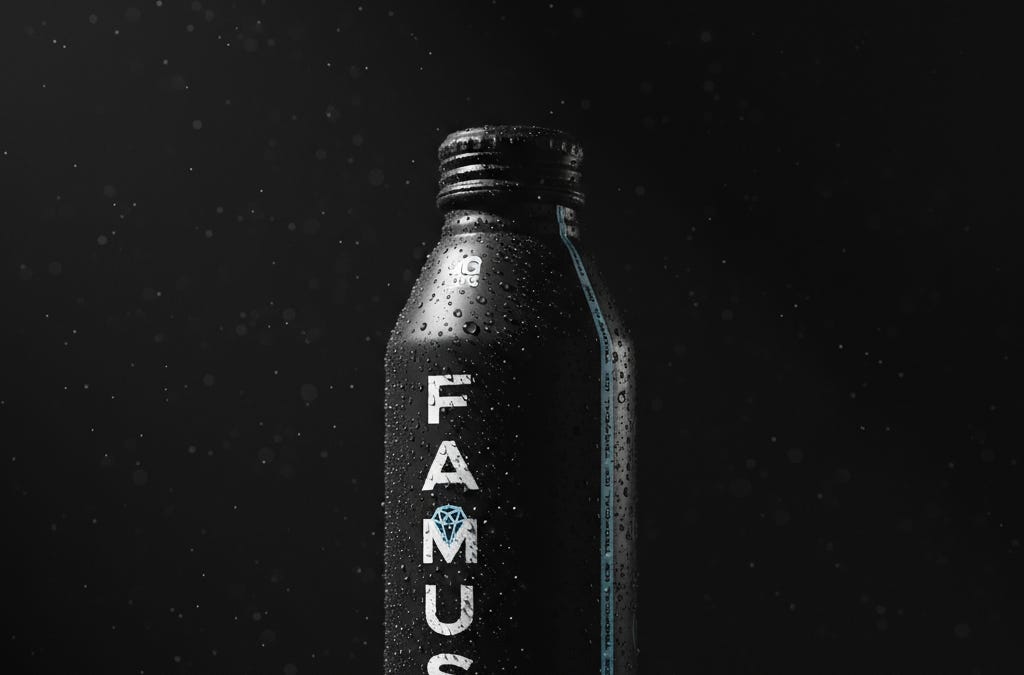
The Natural Revolution: How FAMUS Is Rethinking Energy
A closer look at the choices behind FAMUS: real juice, a clear caffeine amount, zero added sugar, cocktail-inspired flavor, and a resealable bottle.
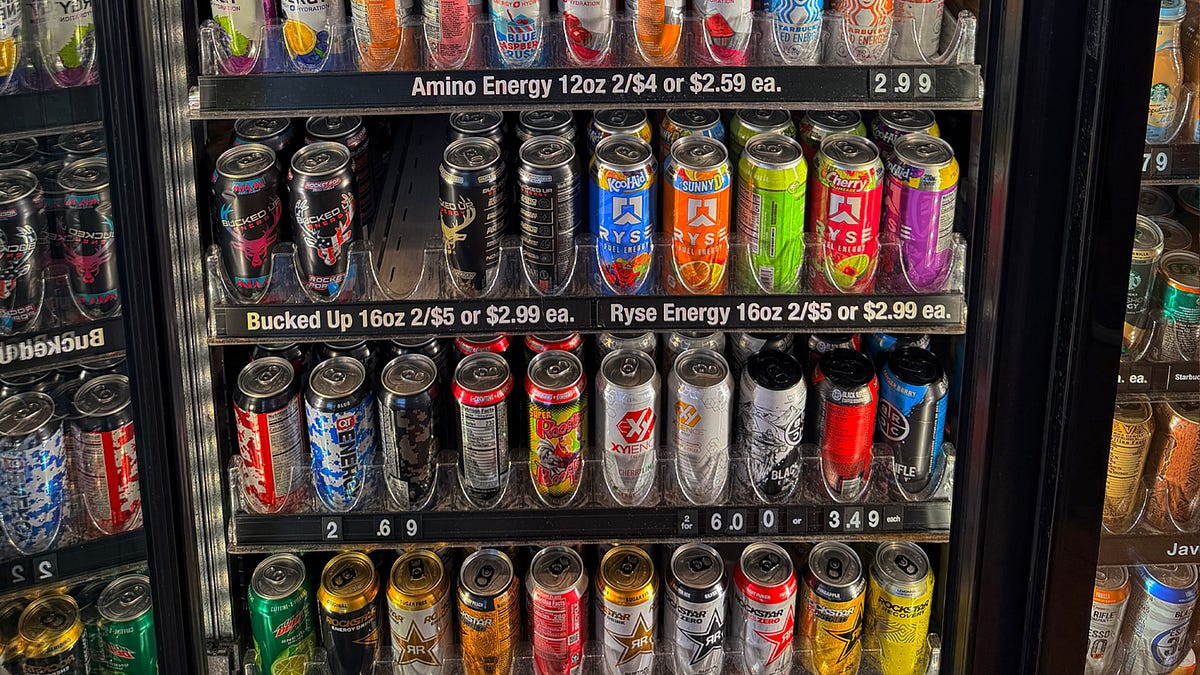
Energy Drinks Are Built on the Same 30-Year-Old Formula
The energy aisle has changed its look more than its formula. Here is why FAMUS chose a different set of ingredients, flavors, and packaging.
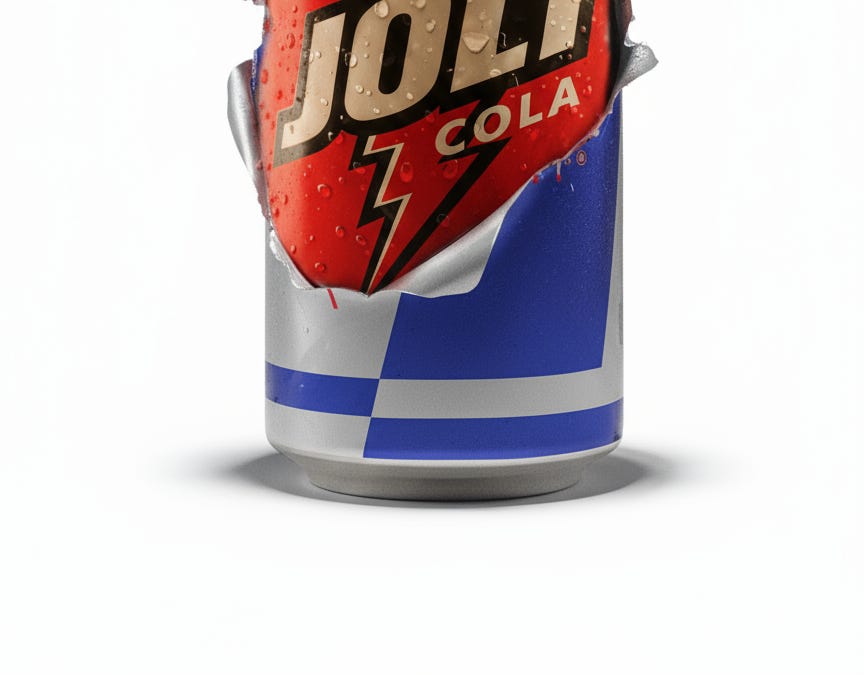
Why Your Favorite ‘Healthy’ Drink Might Not Tell the Whole Story
A wellness-sounding ingredient is only part of the picture. Learn to compare serving size, total sugar, added sugar, and the full ingredient list.
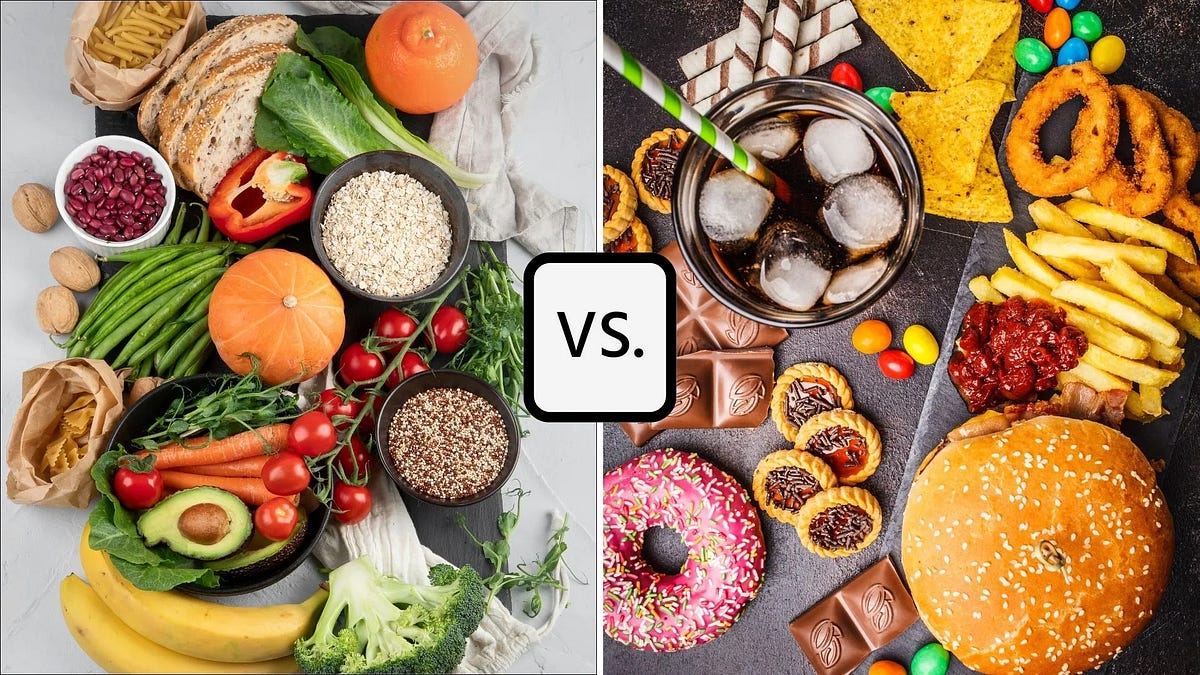
The Artificial Generation: Looking Past the Food-Label Shortcuts
Convenience and bold claims have shaped the way we shop. A better approach is to ask specific questions about ingredients, amounts, and value.
What Makes an Energy Drink 'Ultra-Premium'? A Definition That Isn't Marketing
Ultra-premium should mean something checkable: named sources, real food, studied actives, honest packaging. Here's the full definition — and the receipt.
Why FAMUS Chose a Formula Without Taurine
A closer look at the ingredient choices behind FAMUS, including natural caffeine sources, L-theanine and elevATP®.
How to Read an Energy Drink Label: 7 Red Flags and What to Buy Instead
Proprietary blends, unnamed caffeine, sugar hiding as 'energy' — a field guide to energy-drink labels and the 7 red flags worth walking away from.
Save Half for Tomorrow: The Case for the Resealable Energy Drink
Nobody needs 16oz of energy drink in one sitting. How the resealable cap changes caffeine dosing, waste, and the way you actually drink.
Aluminum Bottles vs. Cans: Why the Container Changes the Drink
Same metal, different philosophy. How the 16oz resealable aluminum bottle beats the can on pacing, temperature, recyclability, and ritual.
A Better Pour for a Late Set
For DJs and nightlife crews, a drink can be part of the ritual without being alcoholic. Meet the two FAMUS flavors.
A Resealable Energy Drink for the Golf Course
What to look for in a golf-course drink: caffeine amount, added sugar, portability, and a bottle you can close between holes.
Energy Drink or Pre-Workout? Read the Label First
Energy drinks and pre-workout powders serve different routines. Compare serving size, caffeine and ingredients before choosing.
Beyond the Espresso Martini: The Caffeinated Cocktail, Rethought
The espresso martini proved people want energy in a coupe glass. Here's its history, its flaws, and the cleaner way to build a caffeinated cocktail.
5 Energy Mocktails: Zero-Proof Drinks That Still Bring the Lift
Five alcohol-free FAMUS mocktails — from a mint-lime Nojito to a peach-ginger cooler — built for flavor and ritual.
Tropic Thunder: The OG Luxe Peach-Ginger Vodka Highball
OG Luxe's tropical peach, citrus and warm ginger profile meets vodka and ice in a quick highball. Includes a zero-proof build and mixing guidance.
The Havana Mojito: A Mint, Lime & Rum FAMUS Cocktail
Havana Nights brings yuzu, mint and lime to a quick mojito-style pour with white rum. Includes a zero-proof version and a responsible mixing note.
What Is Yuzu? The Japanese Citrus Behind FAMUS's Signature Brightness
Yuzu is a rare Japanese citrus prized by chefs for tasting like lemon, mandarin, and grapefruit at once. Here's why it's in every FAMUS bottle.
The History of the Mojito: From Havana Pharmacy to Energy Drink Muse
The mojito went from 16th-century medicinal 'Draque' to Hemingway's Havana to the world's bars — and inspired FAMUS Havana Nights.
How Much Caffeine Is in FAMUS?
Each 16oz FAMUS bottle contains 125mg of natural caffeine. Here is how to read that number and choose your pour.
Does Caffeine Dehydrate You? The Biggest Hydration Myths, Tested
Caffeine is a mild diuretic, but caffeinated drinks still hydrate you on net. The real science behind the biggest energy-drink hydration myths.
Choosing a Time for Your Caffeine
A practical look at caffeine timing, serving size, and the flexibility of a resealable bottle.
Why Is There Fiber in My Energy Drink? Prebiotics, Explained
FAMUS has 9–16g of fiber per bottle. Here's what prebiotic fiber is and why it is part of the recipe.
Erythritol, Explained: How FAMUS Gets Sweet With 0g Added Sugar
Erythritol is a naturally occurring sugar alcohol with very few calories. Here's how it is made and why FAMUS uses it.
Why an Energy Drink Can Feel Like a Crash
Caffeine wears off, and a drink's sugar and caffeine amounts vary. Here is what to check before choosing an energy drink.
Yerba Maté 101: South America's Favorite Natural Energy Source
Yerba maté delivers caffeine plus theobromine for a famously smooth lift. A guide to the plant, the tradition, and why FAMUS brews with it.
Why FAMUS Pairs L-Theanine With Caffeine
L-theanine is a tea-leaf amino acid included alongside the natural caffeine sources in FAMUS.
What Is elevATP®? An Ingredient in the FAMUS Blend
A plain-language look at elevATP®, the branded peat-and-apple ingredient included in both FAMUS flavors.
Coffee Berry: The Overlooked Fruit Behind Cleaner Caffeine
Coffee berry — the fruit around the coffee bean — delivers natural caffeine plus polyphenols. Here's why it's becoming the premium caffeine source.
What Is Natural Caffeine? Coffee Berry vs. Synthetic, Explained
Natural caffeine comes from plants like coffee berry and yerba maté. Here's how it differs from synthetic caffeine — and why the source matters.