
The Artificial Generation: Looking Past the Food-Label Shortcuts
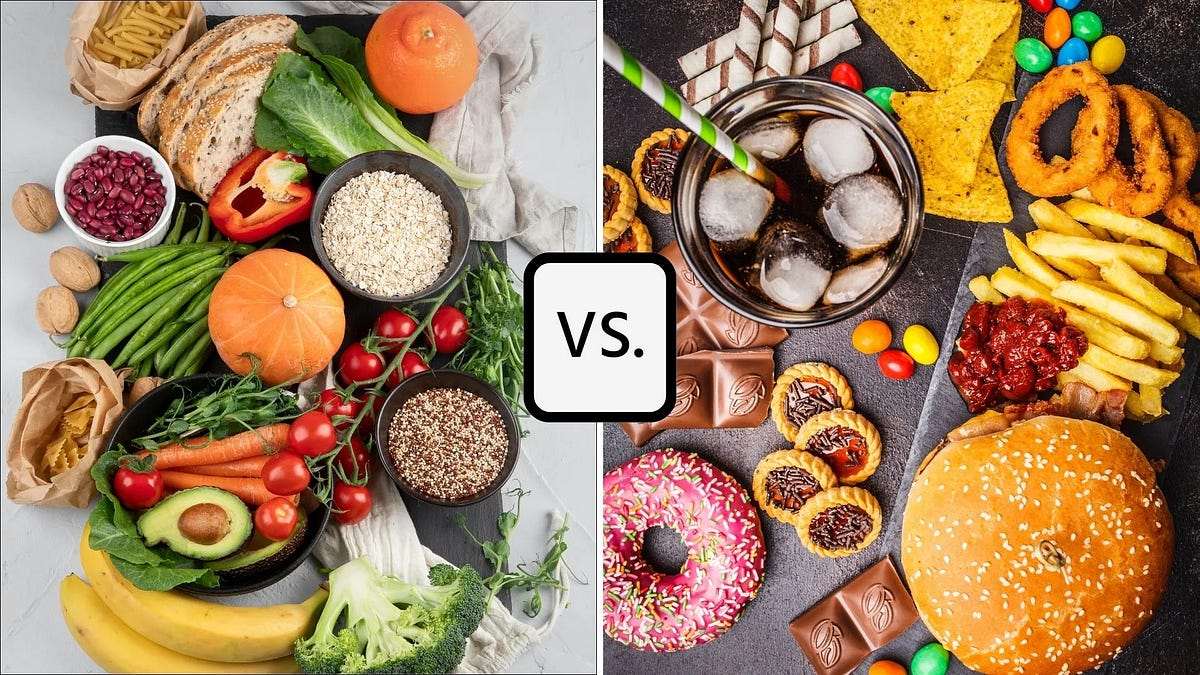
Convenience is not the problem, and an unfamiliar ingredient name is not proof of harm. Better food and drink decisions start with transparent labels, useful quantities, and claims you can check.
Modern food and drink are built for a fast day. That is not a moral failure on the part of the people buying them. Convenience solves a real problem. The trouble comes when speed, familiarity, and attractive packaging make it too easy to stop asking what we are actually getting.
The phrase “artificial generation” is provocative, but the most useful response is not fear of everything processed. It is curiosity.
Ask a better question than “natural or artificial?”
Those words can start a conversation, but they cannot finish it. An ingredient with a complicated name is not automatically unsafe; a plant-derived ingredient is not automatically beneficial. What matters is the specific product, the amount in it, and the claim being made.
The same rule applies to a beverage that calls itself “clean.” Ask what that means in concrete terms. Does it tell you the caffeine amount? Can you find the sugar information? Is the flavor coming from juice, added flavor, or both?
Make labels useful again
Start with the serving size and Nutrition Facts panel. Then read the ingredient list. If you are comparing energy drinks, check the caffeine amount as carefully as the flavor. Our label-reading guide walks through that process without treating every unfamiliar word as a warning sign.
Good information also leaves room for preference. You may like a product for taste or portability even if it does not make a grand wellness claim. Honesty helps you decide what matters to you.
The standard we want for FAMUS
We think a drink should be able to explain its choices. FAMUS’s 16-ounce bottle lists 125mg of caffeine, uses real juice, and has zero added sugar. The bottle reseals because the way a product fits into a day matters alongside what is inside it.
None of that means every other product is a mistake. It means we want the choices behind this one to be visible. In a crowded aisle, transparency is more useful than a promise that asks you not to look closer.
This is an original FAMUS Journal adaptation of Leejon’s essay on America’s artificial-food culture.
- 01 A product can be convenient and still be thoughtfully made.
- 02 “Artificial” and “natural” are not substitutes for reading the actual label.
- 03 Specific quantities and ingredients make comparisons more useful than broad promises.