
Why Your Favorite ‘Healthy’ Drink Might Not Tell the Whole Story
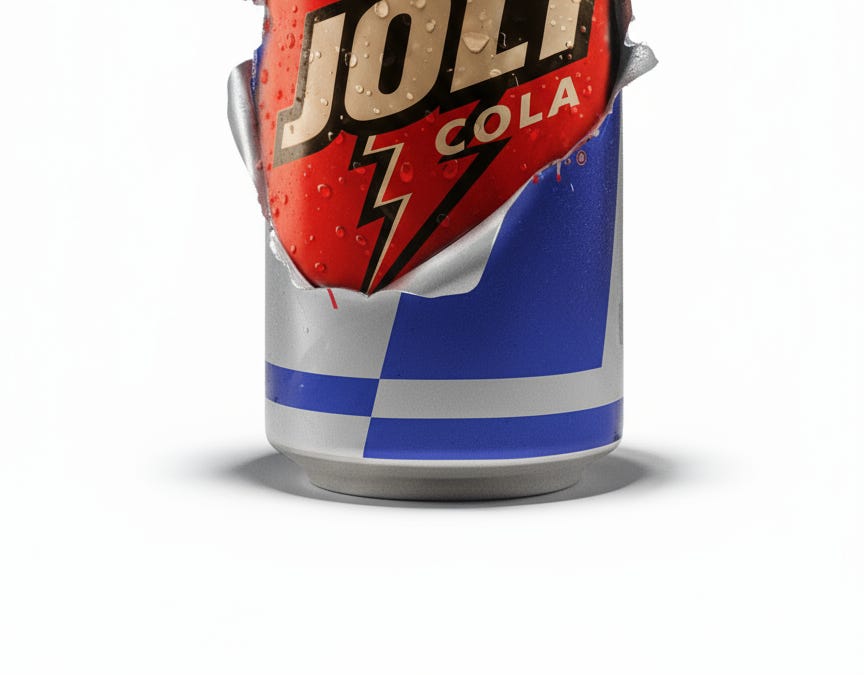
A drink can feature a familiar ingredient or a wellness claim and still deserve a closer look. Compare the serving size, total sugars, added sugars, caffeine, and ingredient list before deciding what the front label means.
The front of a bottle is designed to catch your attention. It may spotlight fruit, a botanical, a vitamin, or a word that sounds like a promise. None of those details is automatically misleading. None tells the whole story, either.
If you want to know what a drink actually offers, turn it around.
First, check the serving size
Nutrition Facts are normally listed per serving. A container may hold one serving or more than one, so read the line at the top before interpreting the rest of the panel. The FDA’s serving-size guide explains why that distinction matters.
This is especially useful when comparing bottles of different sizes. A smaller number on one panel does not automatically mean less of that ingredient in the entire container.
Then separate total sugar from added sugar
These are not interchangeable. Total Sugars includes naturally occurring sugars as well as any sugars added during processing. Added Sugars is the portion added to the product. The FDA explains the distinction on its Nutrition Facts guidance page.
FAMUS uses real juice and has zero added sugar. Because juice can contain naturally occurring sugar, “zero added sugar” should never be read as a claim that a drink contains no sugar of any kind. The full panel is the place to check.
Read the complete ingredient list
One attractive ingredient may be part of a thoughtful formula. It may also be a small piece of a drink whose other ingredients are more important to your decision. Read the list in context. Look for the ingredients you care about, and compare the caffeine amount if the drink contains caffeine.
Words like “natural” can be useful shorthand, but they are not a nutritional verdict. The FDA has not established a formal definition of “natural” for food labeling, and the term alone does not tell you whether a product meets your goals.
Make the decision yours
There is no need to sort every drink into “good” and “bad.” You may choose one for taste, another for convenience, and another because its label fits what you want today. The point is to make that choice with the whole bottle in view, not just the largest word printed on its front.
For more label-reading questions, see our practical energy-drink label guide.
This is an original FAMUS Journal adaptation of Leejon’s essay about health-washing in beverages.
- 01 The serving size tells you what the numbers on the panel describe.
- 02 Zero added sugar and zero total sugar are different claims.
- 03 A single highlighted ingredient cannot stand in for the full formula.